
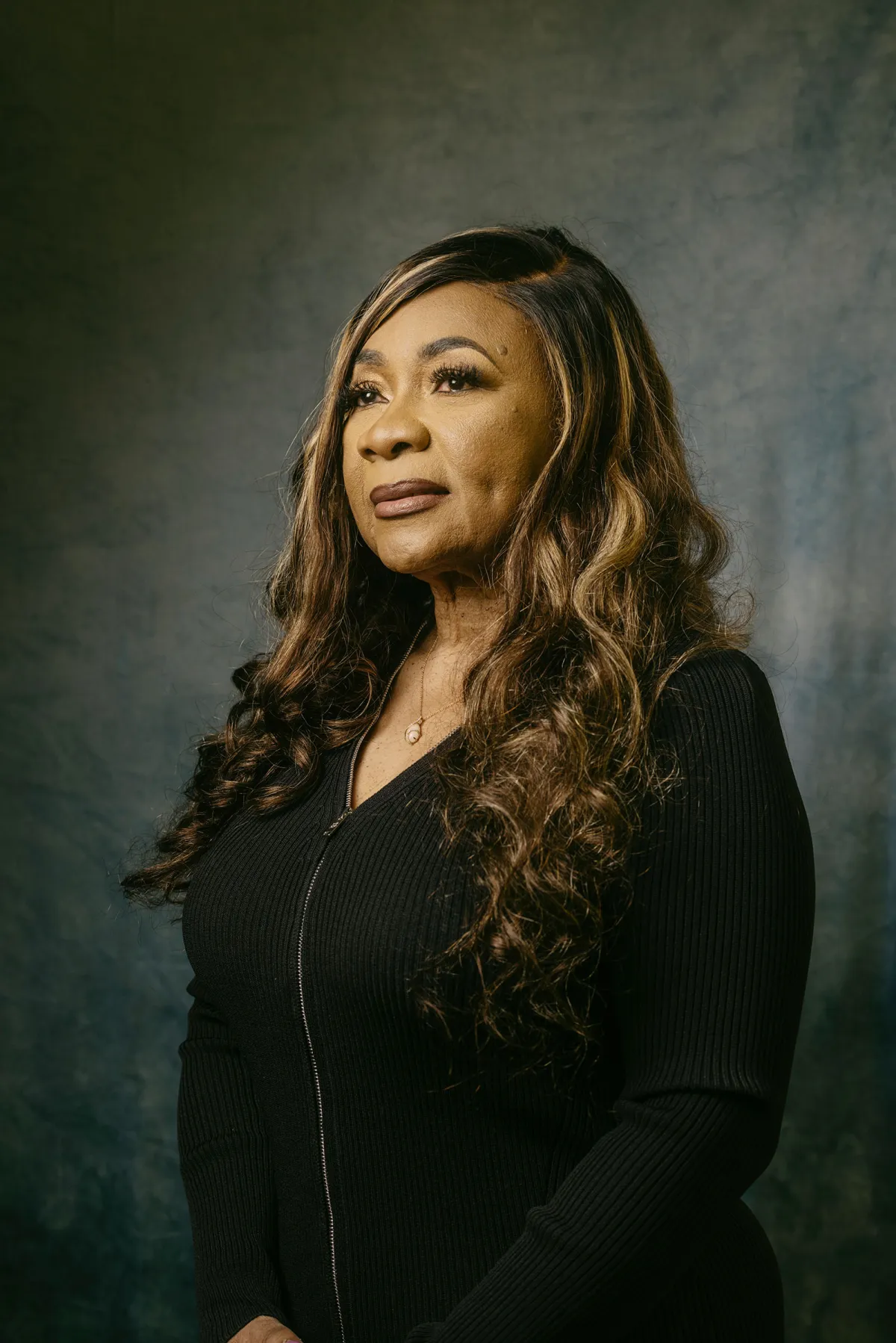
About Catherine Coleman Flowers
Catherine Coleman Flowers is an internationally recognized environmental activist, MacArthur Fellow and acclaimed author dedicated to advancing environmental justice. As founder of the Center for Rural Enterprise and Environmental Justice (CREEJ), she has spent her career fighting for equal access to clean water, air, sanitation and soil in rural communities across the United States.
Her work has been featured by 60 Minutes, The New York Times, The Washington Post, The Guardian, PBS Newshour and more. Catherine is the author of Holy Ground and Waste, books that shine a light on the urgent fight for environmental justice in America and offer a powerful call to action for clean water and dignity for all.
She was honored on TIME’s 100 Most Influential People list (2023), Forbes' 50 Over 50 List (2024) and received the TIME Earth Award (2025).
WASTE: One Woman’s Fight Against America’s Dirty Secret
The MacArthur grant–winning “Erin Brockovich of Sewage” tells the riveting story of the environmental justice movement that is firing up rural America.
MacArthur “genius” Catherine Coleman Flowers grew up in Lowndes County, Alabama, a place that’s been called “Bloody Lowndes” because of its violent, racist history. Once the epicenter of the voting rights struggle, today it’s Ground Zero for a new movement that is Flowers’s life’s work. It’s a fight to ensure human dignity through a right most Americans take for granted: basic sanitation. Too many people, especially the rural poor, lack an affordable means of disposing cleanly of the waste from their toilets, and, as a consequence, live amid filth.
Flowers calls this America’s dirty secret. In this powerful book she tells the story of systemic class, racial, and geographic prejudice that foster Third World conditions, not just in Alabama, but across America, in Appalachia, Central California, coastal Florida, Alaska, the urban Midwest, and on Native American reservations in the West.
Flowers’s book is the inspiring story of the evolution of an activist, from country girl to student civil rights organizer to environmental justice champion at Bryan Stevenson’s Equal Justice Initiative. It shows how sanitation is becoming too big a problem to ignore as climate change brings sewage to more backyards, and not only those of poor minorities.

What They're Saying
HOLY GROUND
Described by Bryan Stevenson as “the center of the quest for environmental justice in America,” Catherine Coleman Flowers has devoted her life to fighting for rural communities, communities of color and those living in poverty who have been denied the basic right to a clean, safe, and sustainable environment. Both deeply personal and urgently political, the essays in Holy Ground draw on history to illuminate the most pressing issues of our time: climate change, human rights, rural poverty, reproductive justice, the history of Lowndes County, Alabama and the broader crisis of racialized disinvestment in the South. Flowers traces the path toward justice, examining her own ancestry as evidence of our interconnectedness and honoring trailblazers in social and environmental justice. She writes candidly about her mother, a civil rights activist lost to gun violence, her own experience with reproductive justice and a traumatic attack that forced her to weigh her fight for the common good against her own well-being. Flowers’s faith shines throughout, guiding her work and inspiring her vision of our shared responsibility to one another and the planet.
Drawing from a lifetime of organizing and activism, Holy Ground offers clarity, hope and a call to action—for ourselves, our communities and our world.
