
The Crisis that Goes Unseen
Beyond the Pipes: Wastewater, Health and Human Rights
Wastewater issues reveal deep divides in how our country invests in its people. From areas like Lowndes County, Alabama, to the Colonias to cities throughout America, the absence of resilient wastewater infrastructure is more than an inconvenience. It’s a daily battle that exposes families to raw sewage in their homes, contaminated yards and serious health risks, as a direct result of neglected or nonexistent infrastructure. These conditions are the result of decades of underinvestment and policies that have ignored the needs of marginalized communities.
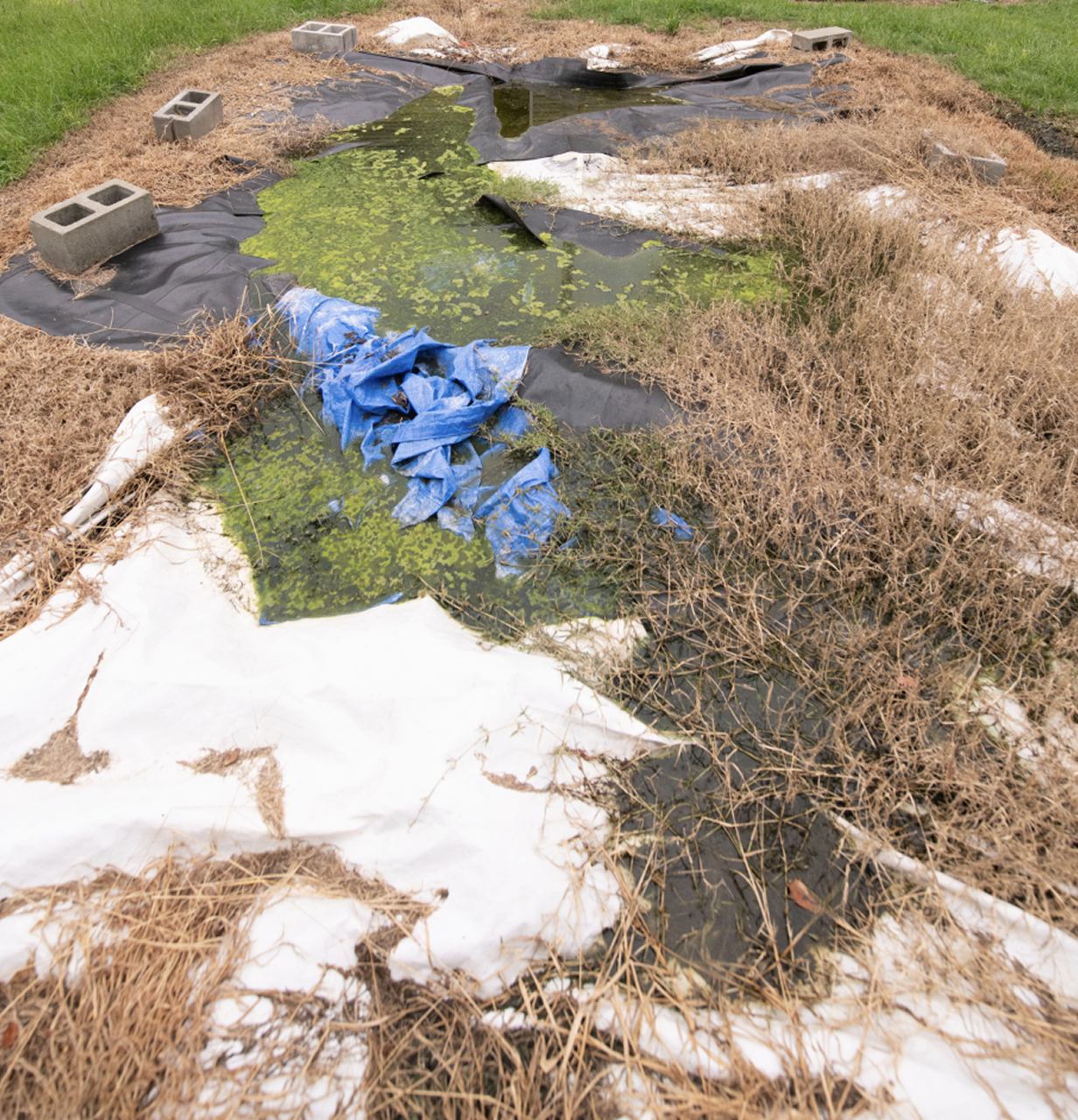
Across rural America, wastewater failures are a daily reality for too many families. In some areas, more than half of households are forced to straight-pipe sewage onto the ground or live with septic systems that back up into bathtubs. These conditions don’t just threaten the environment—they put people at risk for diseases like hookworm and force families to hide their struggles rather than seek help. Solving this crisis demands attention, investment and community-driven solutions that put people first.
A National Problem with Local Consequences
Wastewater issues are not confined to one region. About 46 million Americans in rural counties face similar challenges. From Lowndes County, Alabama, to Cancer Alley, Louisiana, Appalachia and Allensworth, California, neglected infrastructure and pollution have created a public health emergency that is too big to ignore.
What is important to know about sanitation inequality?
Straight-piping, the practice of releasing untreated sewage directly onto the ground, is alarmingly common in some rural communities. This exposes residents to dangerous pathogens, contaminates water sources, and creates an ongoing cycle of environmental and health risks that demand immediate action.
Aging, inadequate or poorly maintained septic systems often force sewage back into homes and yards. For many rural families, this means living with constant exposure to waste and the health dangers it carries. Addressing failing septic systems is essential for community health and safety.
Climate change is compounding wastewater problems. Heavier rainfall and shifting populations put additional strain on already fragile systems, increasing the risk of overflows and contamination. Building climate-resilient infrastructure is a critical part of protecting rural communities.
Rather than offering support, some local policies threaten families with fines or arrest for wastewater problems they cannot afford to fix. This criminalization of poverty silences those most in need and keeps dangerous conditions hidden—when what’s needed are solutions that protect public health.
Take a Stand for Wastewater Innovation
Support real solutions for wastewater challenges. Advocate for investment, fair policies and the right to safe sanitation for every community.
