
Turning National Challenges into International Change
Nearly 46 million people live in rural communities across the U.S., where inadequate sanitation, polluted water and environmental hazards remain persistent challenges. CREEJ collaborates with these communities to champion innovative solutions and ensure rural voices shape the path toward sanitation justice.
Where the Fight for Sanitation Justice Began
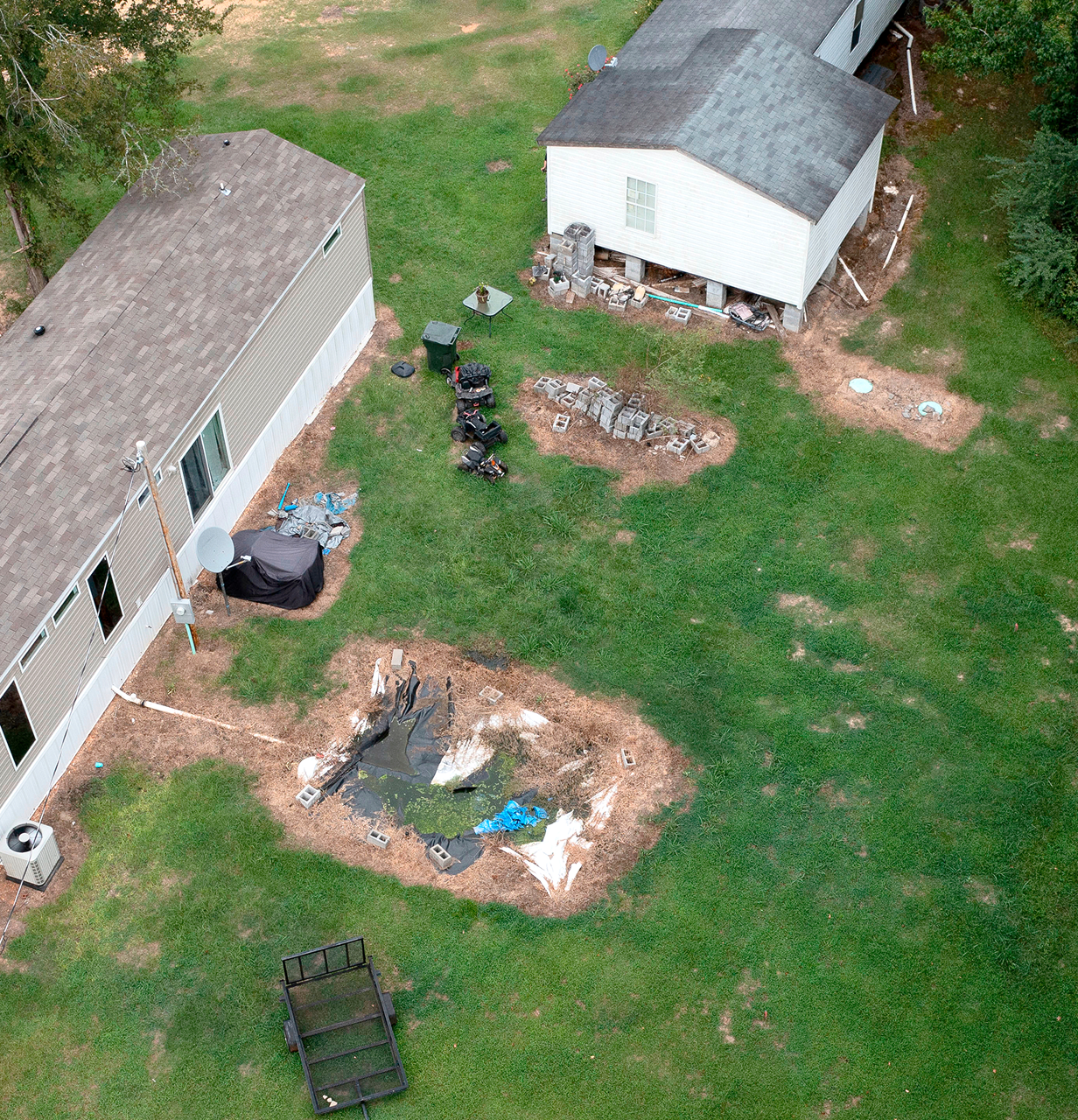
The fight for sanitation justice in Alabama took shape in 2002, when Robert L. Woodson, Sr., an early MacArthur "genius" awardee, and Bob Moore, a civil rights activist, visited Lowndes County to explore economic development. On the drive, County Commissioner Marzette Harris urged a detour to the home of Odell and Mattie McMeans, who had been arrested for lacking a working septic system. At the McMeans residence, raw sewage lay on the ground—an unmistakable sign that something basic had failed. Shaken, Woodson contacted William Raspberry, a Washington Post columnist, whose op-ed helped carry the story beyond the county’s borders.
The work continued with community advocacy, a house-to-house survey, media reports, and a documentary. In 2017, a peer-reviewed study from Baylor College of Medicine found hookworm—a tropical parasite associated with extreme poverty—in Lowndes County. The study was co-authored by researchers including Catherine Coleman Flowers, Dr. Peter Hotez, and Dr. Rojelio Mejia. After The Guardian reported this story, international attention followed, bringing sanitation justice into the same public conversation as access to clean water.
The Names Behind CREEJ
Empowering grassroots champions to lead the fight for clean water, healthy environments and lasting change in rural communities.

Growing up in the Permian Basin of West Texas, my idea of nature was shaped by cactus, dust, and desert wildlife—until a Cub Scout trip to the mountains of West Virginia changed everything. Immersed in wild forests and clear streams, I first realized the planet’s fragility and beauty. That experience, along with the iconic “Keep America Beautiful” commercial, shaped my commitment to protecting our environment. I joined CREEJ because safeguarding our land, water, and air feels like a continuation of lessons learned in those woods. I’m motivated by the hope that future generations can experience the same wonder I did. From rural communities, I’ve learned the value of perseverance and the quiet strength required to care for the places we call home.
My journey in environmental justice began with witnessing how a zip code can unfairly determine a community’s fate. This awareness drives my passion to ensure overlooked communities receive the resources and respect they deserve. I’m motivated by seeing the impact of our youth programs—empowering the next generation to protect the environment and advocate for equity. From rural communities, I’ve learned resilience, resourcefulness, and the power of standing together for those most vulnerable. These lessons fuel my work every day.
Environmental justice work called to me because I could relate personally to the challenges rural families face. My earliest memories are of playing outside—climbing trees, swimming in ponds, and exploring the woods near home with friends and family. Over the years, the gratitude from families we’ve helped has kept me motivated and grounded. I believe rural communities teach us patience and perseverance; despite obstacles, they find ways to thrive and support each other. These experiences and lessons shape my commitment to creating real change for places like my own hometown.
Environmental justice found me during a low point, after losing a loved one to inhumane conditions in West Texas. That loss forced me to confront how deeply environmental harm can intersect with human dignity and well-being. I’m motivated by compassion, love, and meditation—the same values that defined my family. My earliest memory of nature is sitting with relatives on a screened porch in Southeastern Texas, watching lightning bugs at dusk. I believe rural communities are the backbone of our nation, feeding and caring for all of us. Their warmth and resilience inspire me to use storytelling as a tool for advocacy and healing, ensuring their voices are heard and honored.
I was drawn to environmental justice after meeting Catherine at the Equal Justice Initiative, where I learned how poor sanitation affects rural families locally and globally. Catherine’s passion for clean water and sewage equity inspired me to join the fight. I stay motivated by witnessing advocates who speak truth to power and care deeply about those impacted by environmental injustice. Growing up in Western Pennsylvania, I loved picking fruit, playing in the woods, and exploring creeks with friends—those memories remind me what’s at stake. Rural communities, despite lacking resources, show incredible resilience and ingenuity in solving problems. Their determination is a lesson for us all.
Empowering Communities Through Sustainable Wastewater Management Solutions

Policy Influence
We advocate for policies that reflect rural realities, dismantle barriers and ensure fair access to clean water, air and soil.

Technology Innovation
We advance sustainable technologies that close infrastructure gaps, protect health and create resilient, thriving communities.

Just Narrative
Centering lived experiences, we build new frameworks for advocacy and amplify the realities and resilience of communities.